A customer can forgive a product that is slightly different from the photograph. They are much less forgiving when a brand goes quiet after taking their money. That is why ecommerce delivery has moved from an operational detail to a brand promise.
The package is where a polished acquisition story meets reality. Ads, product pages, reviews, and checkout copy create an expectation. Delivery either confirms it or makes the whole brand feel dishonest.

Research from DHL's 2026 ecommerce trends report says seven in ten shoppers will avoid a brand if they do not trust its delivery and returns provider. The exact number matters less than the pattern. Shoppers are evaluating the handoff, not just the product.
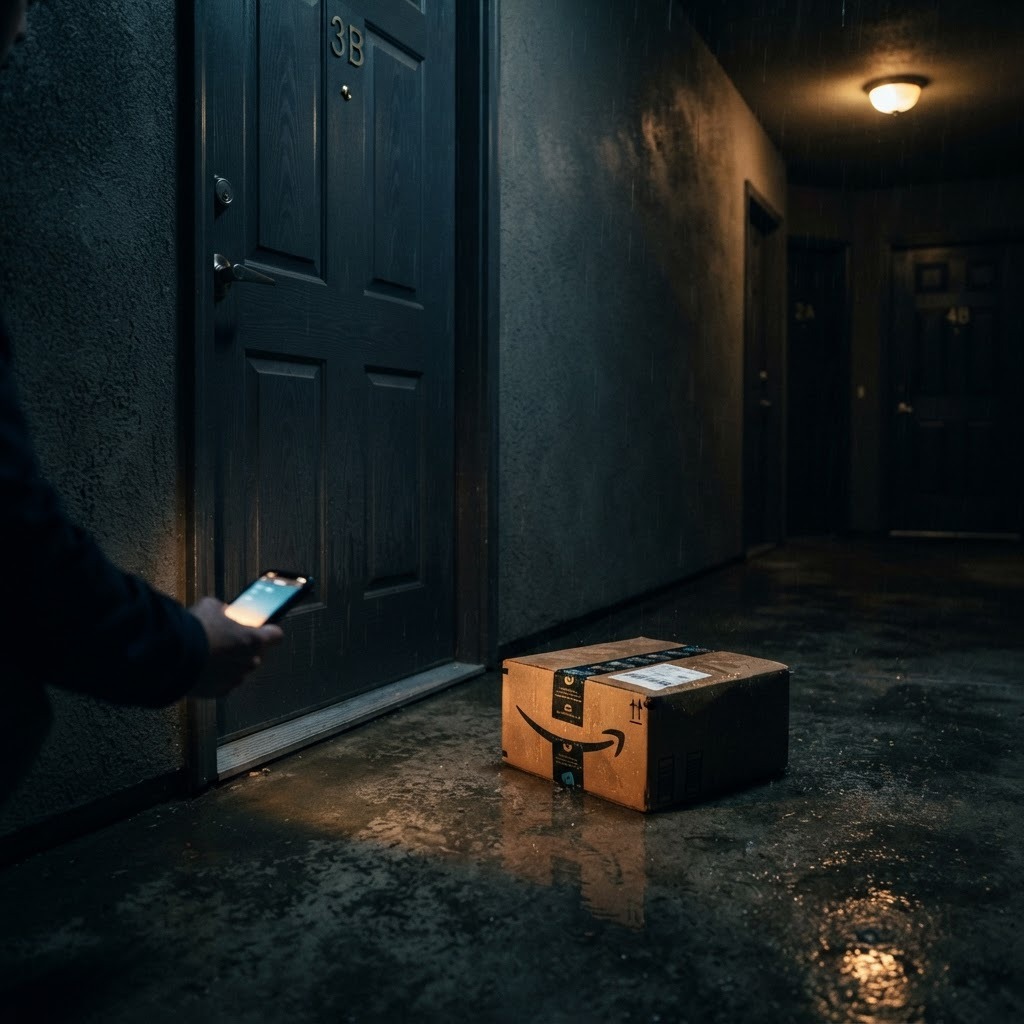
Delivery is part of the product
A brand does not get to define the product experience as the moment someone clicks Buy Now. The customer experiences the product through a chain of promises: the stock is real, the estimate means something, the box arrives intact, and help exists if any of that fails.
Break one link and the customer starts rewriting the story. A late order is no longer only a carrier problem. It becomes evidence that the brand either did not know what was happening or did not care enough to explain it.
That judgment can feel unfair. It is also predictable. Customers cannot see the warehouse handoff, the carrier scan, or the internal escalation. They only see the promise made on the product page and the silence that follows.
This is the same reason returns now define ecommerce loyalty after checkout. Post-purchase moments expose whether a company designed an experience or merely optimized the transaction.

The practical takeaway is simple: write the delivery experience into the product brief. Decide what the customer should know, when they should know it, and who owns the answer when the estimate changes.
The expensive part is uncertainty
A late package is frustrating. An unexplained late package is corrosive.
The customer can often accept a delay if the message is early, specific, and credible. What creates anger is the gap between the last confident promise and the next useful update. A tracking page that says the same thing for four days asks the customer to do the brand's work. They have to search for a support number, repeat the order details, and guess whether the purchase will arrive in time.
That creates hidden costs on both sides. Support tickets rise. Refund requests increase. Customers spend more time checking status instead of enjoying the product. The brand pays for labor while the customer pays with attention.
McKinsey's 2026 State of the Consumer report describes shoppers dealing with cost pressure while still expecting better experiences. That combination makes uncertainty particularly dangerous. People may tolerate a higher price when the exchange feels dependable. They do not tolerate paying more and then having to chase basic information.

Brands often measure delivery with averages. Average delivery time, average cost, average support handle time. Customers experience exceptions. The order that misses a birthday, a trip, a prescription routine, or a promised event is not softened by the average performance of the other 99 orders.
A better operating question is: what does the customer experience when our system is wrong?
Recovery is a brand behavior
No delivery network performs perfectly. The differentiator is what happens after the failure becomes visible.
Weak recovery hides behind policy. Strong recovery names the problem, explains the next step, gives the customer a real choice, and follows through without making them prove that the problem exists. The tone matters, but the sequence matters more.
A useful recovery message might say the shipment missed its scan, the new expected date is Wednesday, and the customer can choose a refund or replacement today. That is not glamorous copy. It is good brand work because it reduces the amount of uncertainty the customer has to carry.
The best teams also give frontline support room to fix small failures. A rigid script can protect margin on paper while turning a solvable issue into a public complaint. A replacement, shipping credit, or expedited resend is not automatically generosity. It can be a cheaper way to protect the second order.

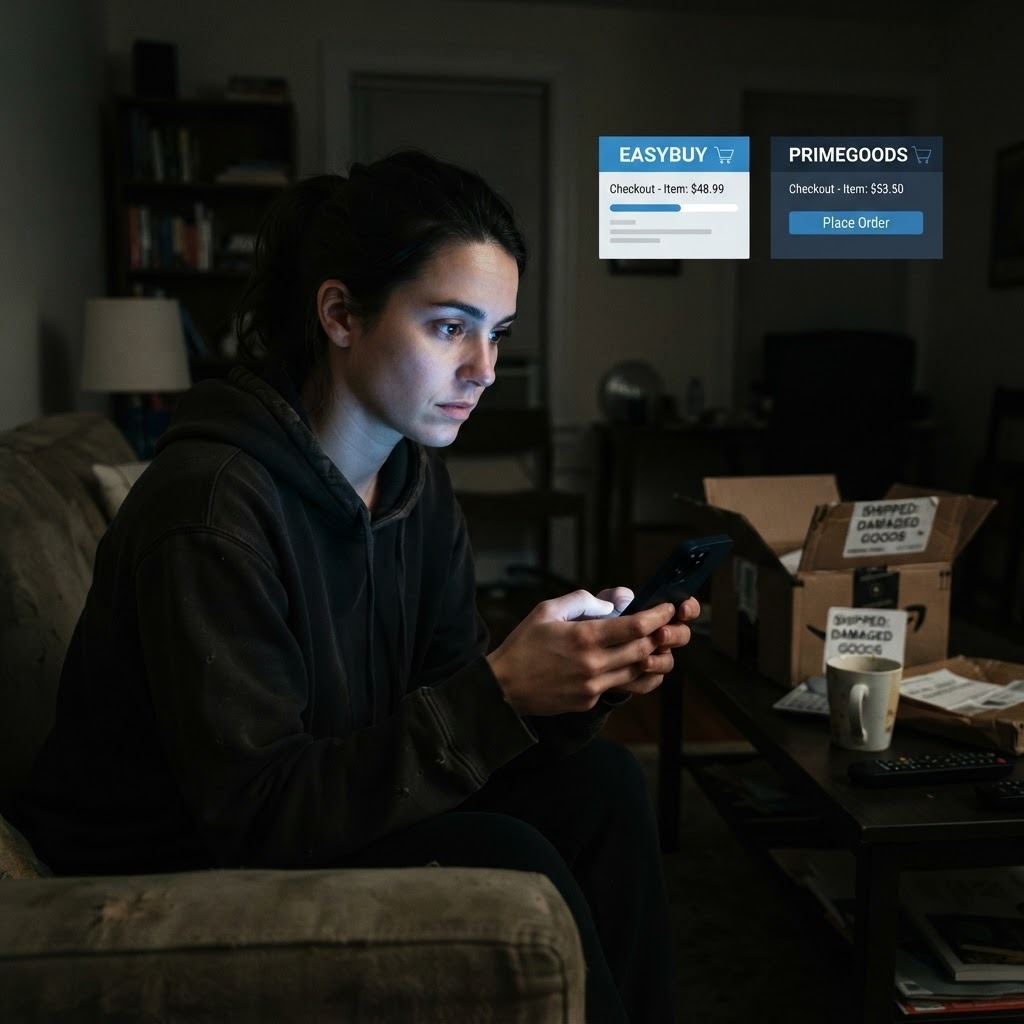
This is where consumer value becomes more than a lower price. Reliability, clarity, and recovery all have economic value. Discounting is easy to advertise. Dependability is harder to build and easier to lose.
Measure the moment after checkout
Most ecommerce dashboards stop at conversion, revenue, and acquisition cost. Those numbers matter, but they describe the beginning of the relationship. Delivery data can show whether the relationship is holding.
Track the percentage of orders that arrive within the promise window, not just the carrier's target. Measure how often an order receives a proactive delay message. Count contacts about order status, replacement rates, refunds after missed estimates, and repeat purchase behavior after a service failure.
Then connect those measures to customer value. Do customers who received a clear delay update return at the same rate as customers whose orders were on time? Do customers who got a replacement become advocates, or do they disappear? Which carriers and fulfillment locations create the most expensive problems?
The goal is not to create another dashboard full of green indicators. It is to find the points where an internal exception becomes an external trust event.
That distinction also changes how marketing teams plan campaigns. Do not promise next-day delivery in a promotion because the logistics team usually manages it. Promise what the network can support during the actual demand spike, in the actual locations being targeted.
A campaign that lifts orders while breaking delivery promises is not a growth win. It is borrowed revenue with a recovery bill attached.
Make certainty visible
Many brands spend more time polishing the checkout button than explaining what happens next. That is backwards. The post-purchase page should be one of the clearest pieces of customer communication on the site.
Show the promised window, not an optimistic single date that quietly changes. Explain what each status means. Make support easy to reach without forcing customers through a maze. If a delay is likely, say so before the customer has to ask.
The same principle applies to packaging. A parcel should make the customer feel that the brand knew what it was sending and why it mattered. The insert, the protective material, the instructions, and the replacement path all reinforce the judgment formed at the front door.

This is not an argument for theatrical packaging or expensive fulfillment. It is an argument for consistency. A premium promise needs evidence at every handoff. A practical promise still needs to be true.
Choice overload already makes ecommerce conversion harder. Delivery uncertainty adds another decision after the customer has already chosen a product. The job is to remove that second layer of doubt.
Loyalty is decided in the exception
Loyalty programs can reward customers for returning, but they cannot manufacture trust after a brand disappears during a delay. Points are not a substitute for an honest update.
The strongest loyalty strategy may be less visible. It is the operating discipline that makes a brand predictable when demand surges, inventory moves, or a carrier misses a scan. Customers remember the product, but they also remember whether the company made a bad moment easier or harder.

Ecommerce teams should stop treating delivery as the last mile of fulfillment. It is the first proof that the brand's claims mean anything.
The brands that win repeat business will not be the ones with the most confident shipping copy. They will be the ones that make certainty feel earned, then keep earning it when the plan breaks.