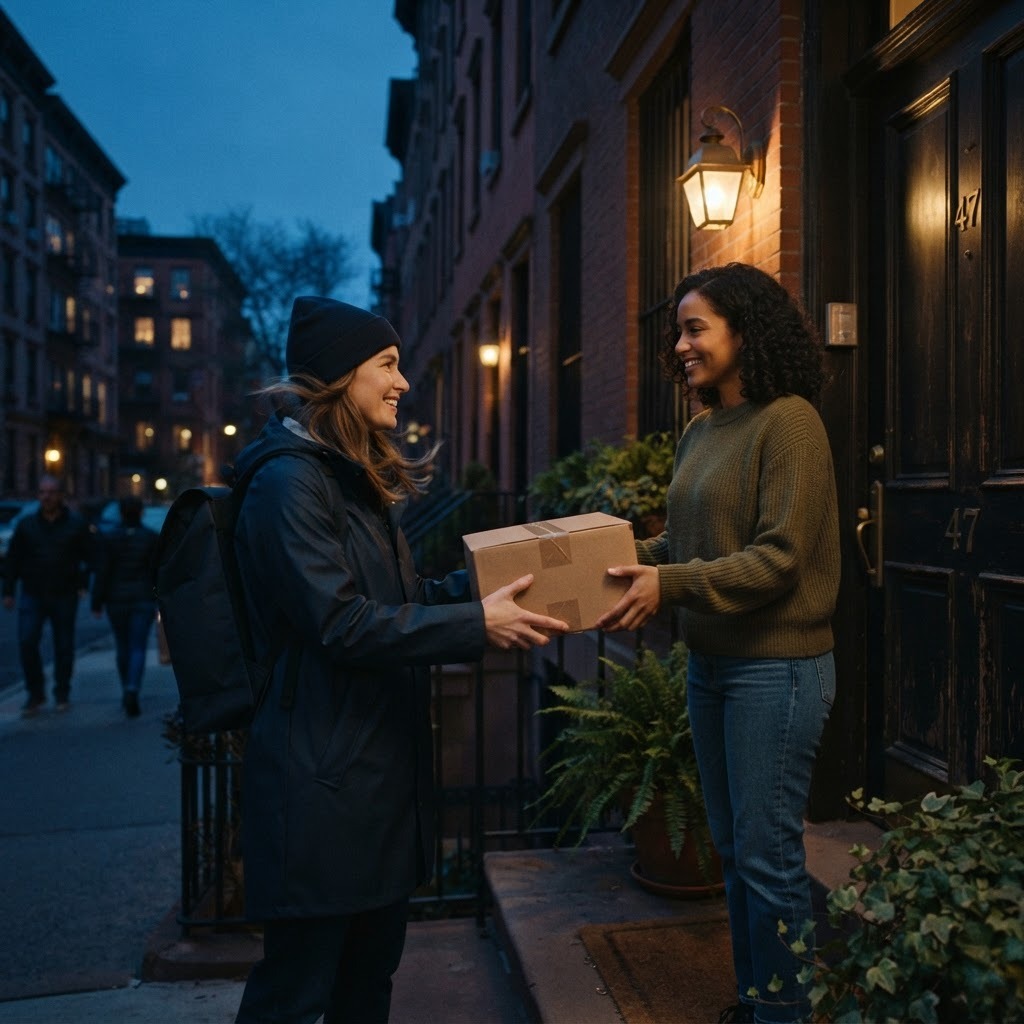
Why Convenience Is Becoming Every Brand's Promise
Convenience used to be a feature. Now it's part of the brand.
A retailer can spend months polishing a campaign, then lose the customer because the delivery window is vague, the pickup counter is confusing, or the return label feels like a small legal battle. Shoppers don't separate those moments from the brand. They add them up.
The shift is visible in the latest ecommerce research. Ryder's 2026 consumer study found shoppers nearly split on return methods, with 52% preferring in-store returns and 48% preferring mail. The point isn't that one option wins. The point is that customers expect a choice that fits their day.
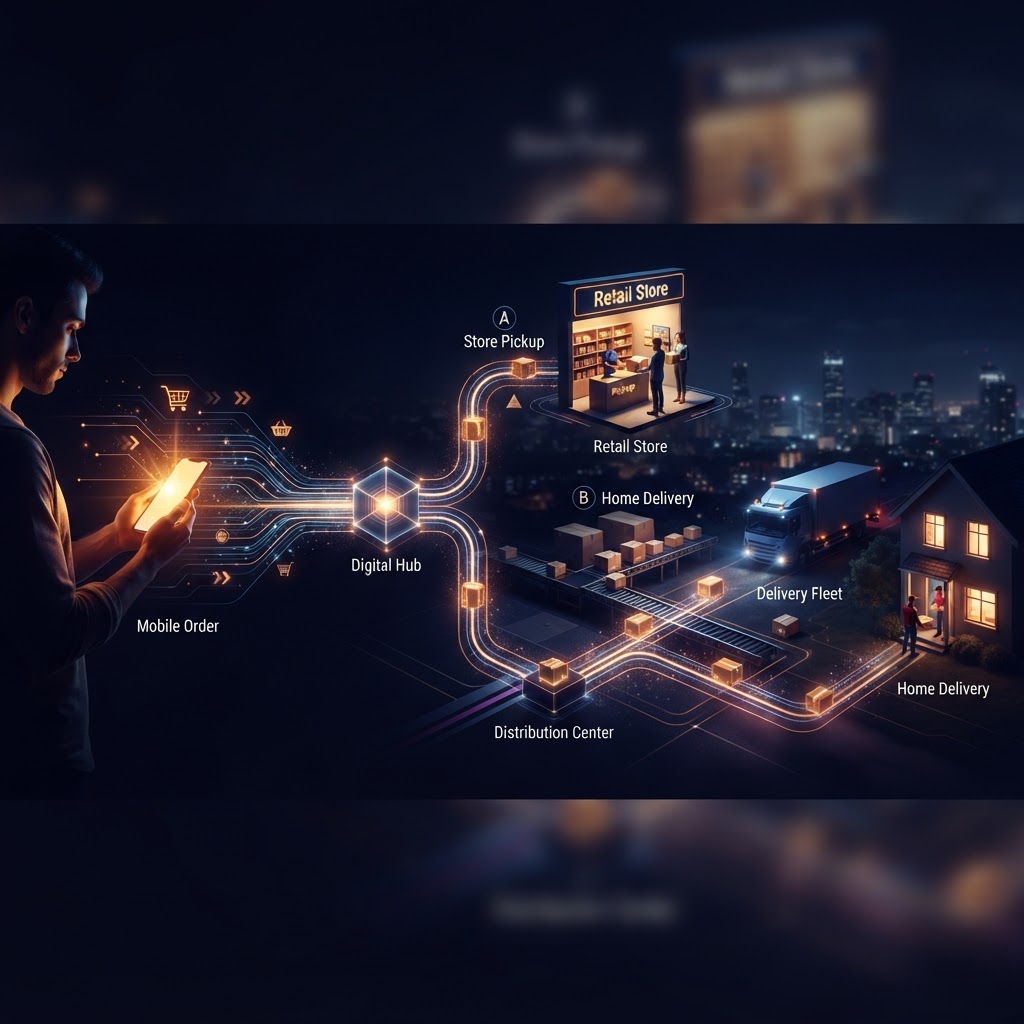
Convenience Became the Product
People don't buy convenience as an abstract idea. They buy fewer interruptions.
That can mean knowing an item will arrive before the weekend. It can mean picking up an order on the way home instead of waiting for a driver. It can mean returning a bad fit at a nearby store rather than printing a form, finding a box, and hoping the refund appears before the credit card bill.
This is why delivery and returns belong in brand strategy. They change the perceived cost of buying. The product price may stay the same, but the time, uncertainty, and effort around the product can make the purchase feel expensive.
Ryder's 2026 ecommerce consumer study points to the same overlap between online and physical shopping. Mobile ordering, store pickup, and flexible returns are no longer separate channels in the customer's mind. They're different ways to finish the same job.
The best brands understand that the job is not "complete checkout." It's "get what I need without creating another problem."

Speed Is Not the Whole Story
Fast shipping gets most of the attention because it's easy to advertise. But speed without certainty is just another form of friction.
A two-day promise that becomes four days damages trust more than a clearly stated five-day window. A same-day option that disappears at checkout creates more annoyance than a reliable next-day service. Customers want the brand to tell the truth early, then keep the promise.
That makes communication part of the experience. Show the delivery date before payment. Explain cutoff times in plain language. Send useful updates instead of promotional noise. If a delay happens, give the customer a decision, not an apology alone: wait, change the delivery method, or cancel.

Marketers sometimes treat these details as operations' problem. Customers don't. The campaign creates an expectation, and the fulfillment system either proves it or breaks it.
That is also why returns define ecommerce brand loyalty more than most teams admit. A return is not the end of the relationship. It's a live test of whether the company still respects the customer's time after the money has changed hands.
The Store Is Still Useful
The store has been declared obsolete so many times that the prediction has become boring. Customers keep finding reasons to use it.
A store can be a showroom, a pickup point, a returns desk, a service counter, and a place to resolve uncertainty. That matters for categories where fit, feel, timing, or confidence are hard to judge online.
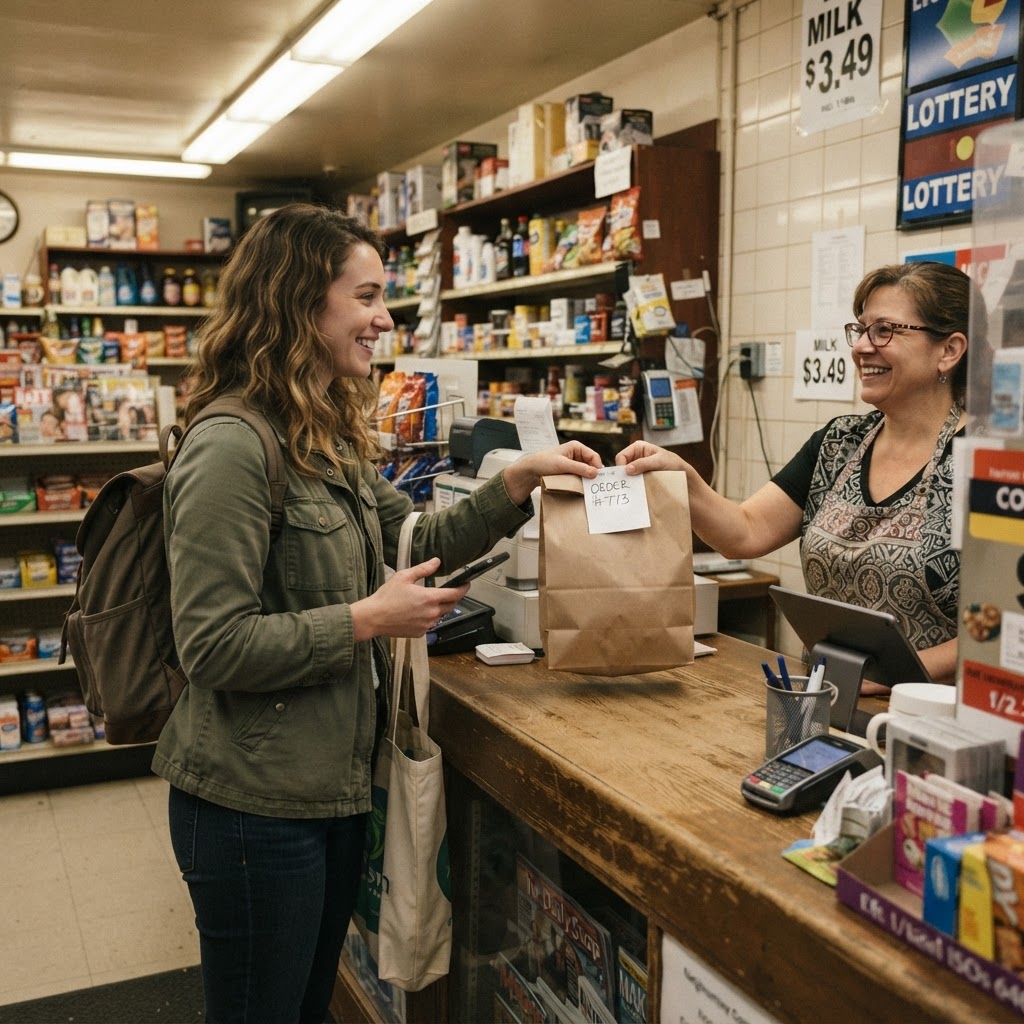
The strongest click-and-collect experiences don't feel like a warehouse window bolted onto a shop. They feel like a faster version of shopping. The order is ready. The handoff is obvious. Staff know what happens next. The customer leaves with the item instead of a new task.
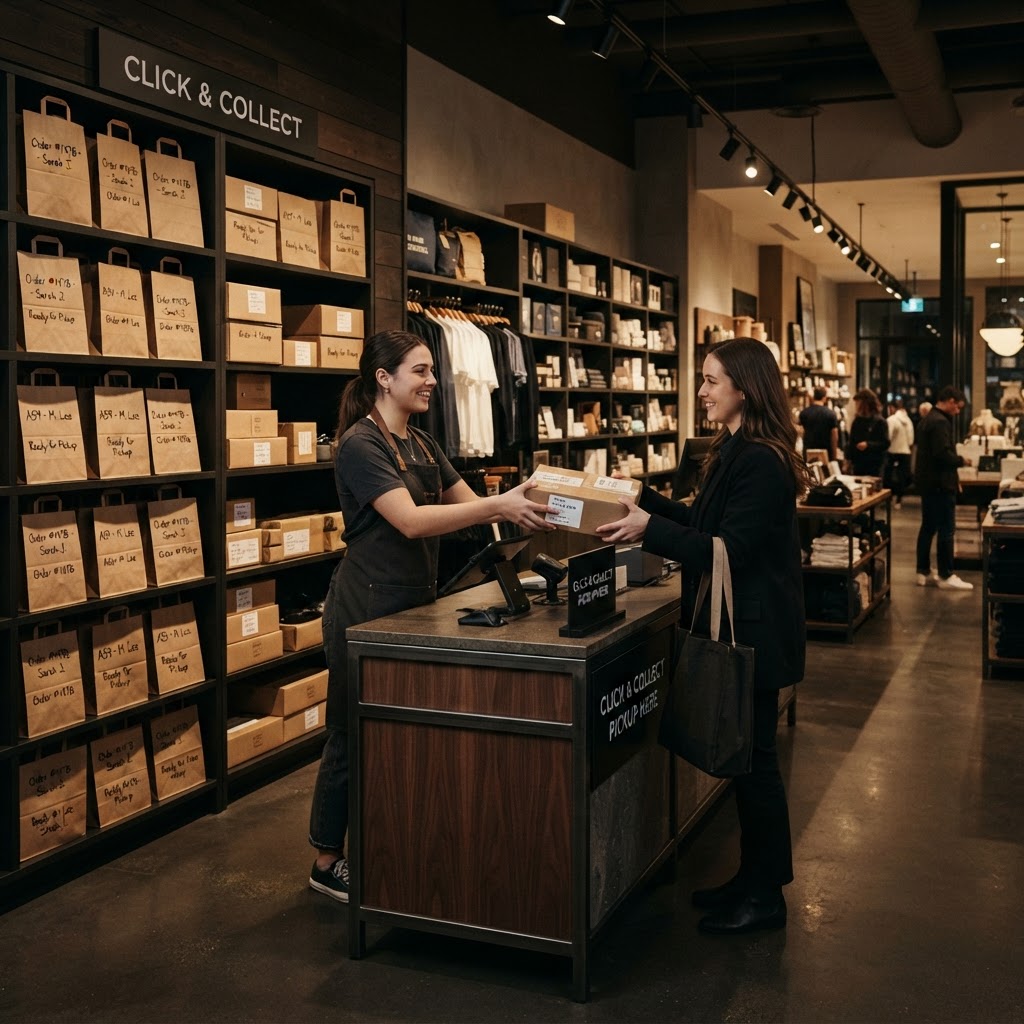
This is where brand building gets practical. A distinctive campaign may earn attention, but a calm pickup experience earns memory. People remember the business that saved them a trip, fixed a problem, or made an exchange painless.
The same logic appears in consumer value beyond a lower price. Value is what the customer gets after adding money, time, effort, risk, and confidence together. Convenience is one of the largest inputs in that calculation.
Returns Are a Marketing Moment
A return policy is often written by finance, approved by legal, and buried in the footer. That is a mistake.
The policy answers a basic question: "If this doesn't work, will you make me regret buying it?" Customers ask that question before checkout, even when they never say it out loud.
Good return design has three jobs. It removes fear before purchase. It gives the customer clear options after purchase. It sends useful product feedback back into merchandising, sizing, packaging, and copy.
That last job is easy to miss. Return reasons are a form of customer language. If shoppers repeatedly say a product looked different online, the answer may not be another discount. The answer may be better photography, more honest dimensions, or a product page that admits where the item fits and where it doesn't.
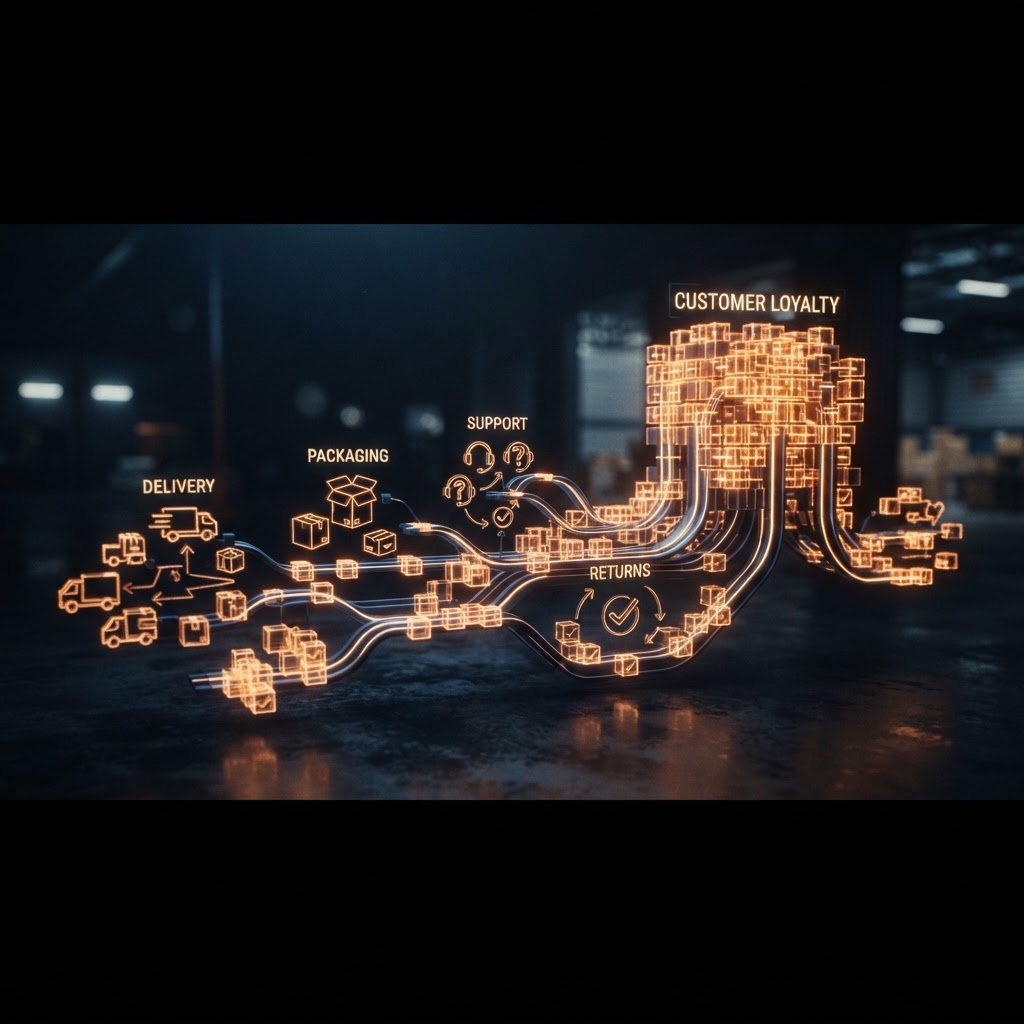
Baymard's ongoing ecommerce research keeps returning to the same basic lesson: uncertainty creates abandonment. Delivery costs, unclear policies, and missing product information all make the customer do more work before they feel safe enough to buy.
The fix is not always a bigger promise. Sometimes it's a smaller, more specific one.
The Human Version of Convenience
There is a danger in turning convenience into a race toward fewer human interactions. The customer may want fewer obstacles, not fewer people.
A useful support agent can beat a perfect automation. A store employee who understands the return process can turn frustration into relief. A clear message from a real person can matter more than another status badge in an app.

Convenience should give people control. Let them choose the delivery window when possible. Let them change their mind without a maze. Let them reach a person when the situation stops being standard.
This is especially important as brands add more channels. A customer might discover a product in social video, compare it on a marketplace, buy through a brand site, pick it up in a store, and return it by mail. The brand has to feel like one company across all of those handoffs.
If each channel has a different policy, tone, or answer, the customer experiences the seams. No amount of polished creative can hide that for long.
A Better Brief for Brand Teams
Convenience needs to move upstream into the marketing brief. Not as a vague promise like "easy shopping," but as a measurable customer job.
Ask five questions before the campaign goes live:
- What uncertainty does this product create before purchase?
- Which part of the journey is most likely to cost the customer time?
- What delivery, pickup, or return choice matters for this audience?
- Where will the promise be tested after the click?
- Which customer signal will tell us the experience got better?
The last question matters. Teams often measure reach, clicks, and conversion while ignoring the friction that decides whether a first order becomes a second one. Track delivery-date accuracy, support contacts per order, return effort, refund speed, pickup completion, and repeat purchase by fulfillment method.
That data won't make a flashy dashboard. It will make a more honest one.
The larger opportunity is to stop treating convenience as a discount substitute or a logistics feature. It is a way to show what the company believes about the customer's time.
The Promise Has to Hold
Every brand now makes a convenience promise, whether it says so or not. The promise appears in the delivery date, the product page, the store counter, the confirmation email, and the return label.
Some companies will keep competing on speed. Others will win by being more predictable, more flexible, or easier to trust when something goes wrong.
The next useful brand question isn't "How do we make checkout faster?" It's "Where are we still making the customer carry work that belongs to us?"